
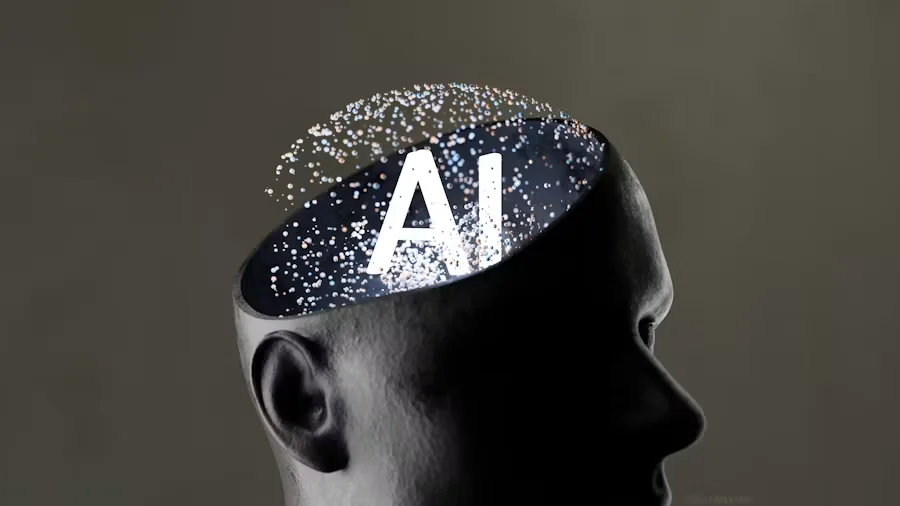
Artificial intelligence is not just bringing a new technology into working life. It is changing how work is done, how performance is assessed and which skills are expected of employees. In some cases it is also transforming how managers manage their people.
This transformation holds important opportunities. AI can reduce repetitive tasks, provide decision support and increase productivity in some jobs. In surveys by the OECD (Organisation for Economic Co-operation and Development) in the finance and manufacturing sectors, around 80% of employees who use AI report that the technology has improved their performance. Yet the same research also shows concerns about increased work intensity, how data is collected and used, and job security.
So in 2026 the core question is no longer “Should we use AI?” The more important question is this:
“How should we use AI in a way that protects employee health, autonomy and sustainable performance?”
What Is an AI-Related Psychosocial Risk?
Psychosocial risks are conditions related to how work is designed and managed that can harm employees’ psychological, social or physical health.
A working paper published in 2026 by the ILO (International Labour Organization) stresses that AI can increase productivity but can also create new risks. The report draws particular attention to workplace surveillance, work intensification, reduced job autonomy, and concerns about privacy and data use.
1. Technostress: Can Technology Wear Us Out While Making Things Easier?
Technostress is the stress employees experience when they struggle to adapt to the demands of digital technologies. The need to learn new systems, constant notifications, a faster pace of work and technology carrying work into private life can all add to this burden.
A systematic review published in 2026, synthesizing 201 peer-reviewed empirical studies, reaches an important finding. There are two sources of technostress most frequently associated with negative wellbeing indicators: digital overload (techno-overload) and technology spilling into private life (techno-invasion).
The problem is not using technology; it is how the demands that technology places on employees are managed.
2. AI Can Reduce Workload While Increasing Work Intensity
The fact that a task can be done faster with AI does not mean the employee’s workload will decrease. If the time saved is filled with new tasks, or if productivity gains turn into higher performance expectations, technology can paradoxically lead to work intensification.
That is why AI applications should not be assessed only by asking “How many hours did we save?” Employees’ perceived workload and recovery capacity should also be monitored.
3. Loss of Autonomy and Algorithmic Management
AI is no longer just a tool employees use. In some organizations, task allocation, pace of work, performance tracking and evaluation processes are run by algorithmic systems.
A 2025 OECD study of 6,047 middle managers in six countries shows that algorithmic management tools are widespread in most of these countries. 64% of the managers surveyed report at least one trustworthiness concern about these tools. The most frequently raised concerns are:
- unclear accountability for decisions
- the logic of the tools not being easy to understand
- insufficient protection of employees’ physical and mental health
4. Digital Surveillance and Psychological Safety
Continuous monitoring of working time, screen activity, location or performance indicators can provide management with data. But if an employee perceives that “every move I make is being tracked,” this can erode trust and autonomy and increase stress.
The ILO counts a lack of transparency in AI-based systems and excessive data collection among the new psychosocial risks. EU-OSHA (the European Agency for Safety and Health at Work) also stresses that employee participation is critical in managing psychosocial risks, because the people best placed to notice problems at work are the employees themselves.
5. Role Ambiguity and AI Anxiety
One of the psychological effects of AI transformation is uncertainty. Questions such as “Will my job change?”, “Which skills matter now?” and “Will my performance be compared with AI?” can create a cognitive and emotional burden.
Technology training alone is not enough here. New roles, expectations and decision-making processes also need to be clearly defined.
AI Transformation Is Also a Work Design Project
It is not the technology itself that determines AI’s effect on employee wellbeing. What is decisive is how the technology is implemented, for what purpose it is used and how it changes the work system.
That is why, alongside productivity and adoption indicators, organizations should also assess the following in AI projects:
- workload
- employee autonomy
- psychological safety
- boundaries of digital availability
- role clarity
- data privacy
- employee participation in the change process
The core question of corporate wellbeing in the age of AI is not about resisting technology. The real issue is being able to design technological progress together with human health and sustainable work.
In 2026, this will be one of the very things that sets apart the organizations that successfully manage their AI transformation.